The Kavli Prize honours scientists for breakthroughs in astrophysics, nanoscience and neuroscience – transforming our understanding of the big, the small and the complex. It takes place biennially and award winners share $1 million per category.
ERC grantees Kavli laureates
Vasily Belokurov, Amina Helmi and Rodrigo Ibata - Kavli Prize in Astrophysics, 2026
They won the Kavli Prize in Astrophysics 'for uncovering the fossil evidence of past mergers proving that the Milky Way galaxy was built through hierarchical accretion.'
See ERC press release.
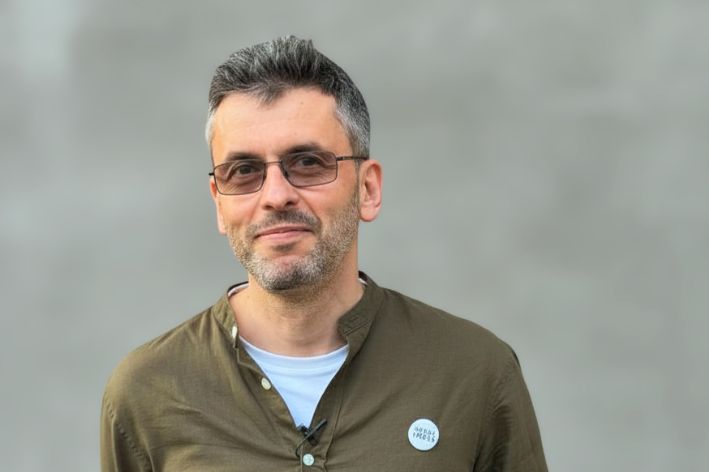
- Read bio Vasily Belokurov
Vasily Belokurov was born and grew up in Moscow, studying astronomy at Moscow State University. In 2000 he went to Oxford University on a scholarship to pursue a PhD, studying micro-lensing and making predictions for ESA's Gaia mission. Three years later, armed with a computer he had built for classifying micro-lensing events, he moved to Cambridge to carry out postdoctoral research at the university's Institute of Astronomy. He has been at Cambridge ever since, becoming a lecturer in 2011 and a professor in 2019.Throughout his career, Belokurov has used large astronomical datasets to uncover the structure, history and dark-matter content of the Milky Way. In 2006 he helped produce the “Field of Streams”, a map of old halo stars that revealed the remnants of smaller systems torn apart during the galaxy's growth. The map supported the cold-dark-matter picture of galaxy formation and showed that stellar streams could be used to trace the galaxy’s otherwise invisible dark-matter distribution. Then in 2018, he and colleagues used measurements of halo stars' orbits from the Gaia satellite to identify the Gaia-Enceladus Sausage – the Milky Way's most important ancient collision, which has become central to our understanding of galactic evolution.
In recognition of his work, Belokurov has received the Aaronson Prize from the University of Arizona and the Fowler Award from the Royal Astronomical Society.
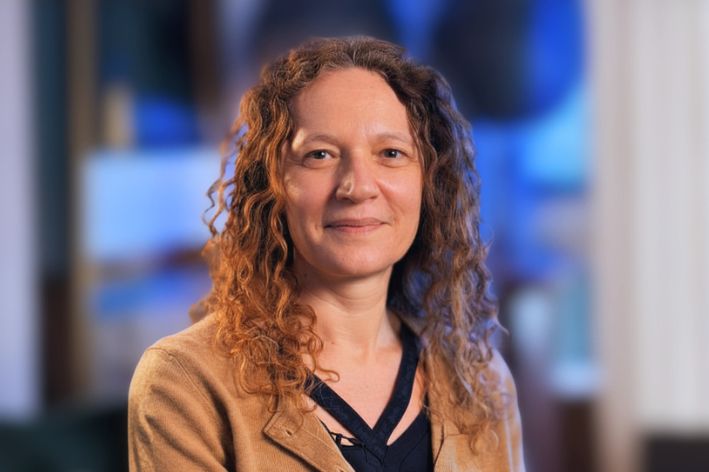
- Read bio Amina Helmi
Amina Helmi, born 6 October 1970, is an Argentine astronomer and professor at the Kapteyn Astronomical Institute at the University of Groningen in the Netherlands.Helmi was educated at Leiden University where she was awarded a PhD in 2000 with a thesis on the formation of the galactic halo. Since 2003 she has been faculty member at the University of Groningen and has been a full professor since 2014. Previously, she held postdoctoral positions at the University of La Plata in Argentina, the Max Planck Institute for Astrophysics in Germany, and Utrecht University in the Netherlands.
In 2019, Helmi was named one of the four winners of the Spinoza Prize. She was awarded membership of the Royal Netherlands Academy of Arts and Sciences in 2017. She was awarded the Christiaan Huygensprize in 2004 and the Pastoor Schmeitsprize in 2010. The Helmi stream is named after her and she was awarded the Suffrage Science award in 2019. In 2021, Helmi won the Brouwer Award from the Division on Dynamical Astronomy of the American Astronomical Society. She has been a knight in the Order of the Dutch Lion since 2021.
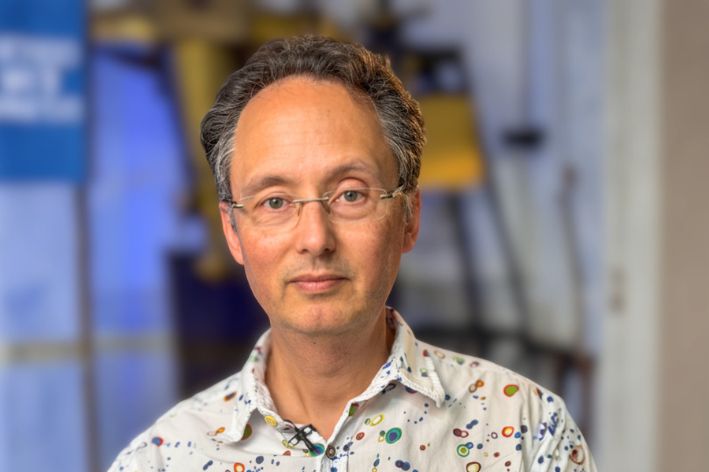
- Read bio Rodrigo Ibata
Rodrigo Ibata, born in 1967, is a French-British astrophysicist, known for discovering that the previously unknown Sagittarius dwarf galaxy is being consumed by the Milky Way.Ibata graduated in physics from the University of Bristol in 1989. After taking the mathematical tripos at Cambridge University, he then completed a doctorate on galactic stellar populations at the university's Institute of Astronomy. He subsequently took up a number of postdoctoral positions in Canada and Germany, before finally settling down as a researcher with the French National Centre for Scientific Research in Strasbourg in 2000.
Throughout his career, Belokurov has used large astronomical datasets to uncover the structure, history and dark-matter content of the Milky Way. In 2006 he helped produce the “Field of Streams”, a map of old halo stars that revealed the remnants of smaller systems torn apart during the galaxy's growth. The map supported the cold-dark-matter picture of galaxy formation and showed that stellar streams could be used to trace the galaxy’s otherwise invisible dark-matter distribution. Then in 2018, he and colleagues used measurements of halo stars' orbits from the Gaia satellite to identify the Gaia-Enceladus Sausage – the Milky Way's most important ancient collision, which has become central to our understanding of galactic evolution.
In recognition of his work, Belokurov has received the Aaronson Prize from the University of Arizona and the Fowler Award from the Royal Astronomical Society.
Christine Holt and Erin Schuman - Kavli Prize in Neuroscience, 2026
They won the Kavli Prize in Neuroscience 'for the discovery of local protein translation in neurons and establishing its importance for brain development and plasticity'.
See ERC press release.
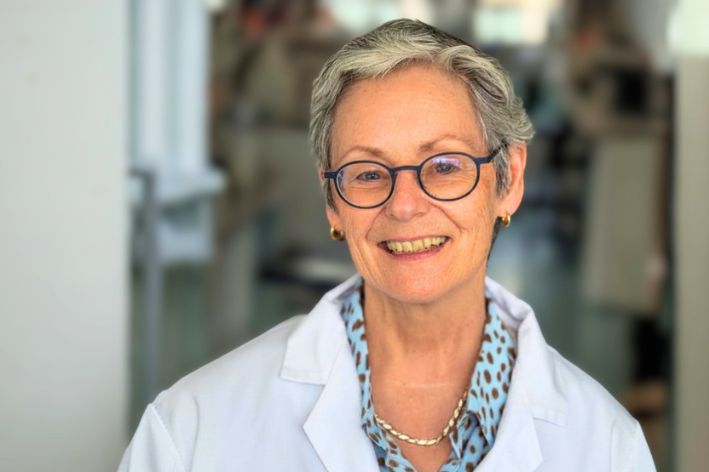
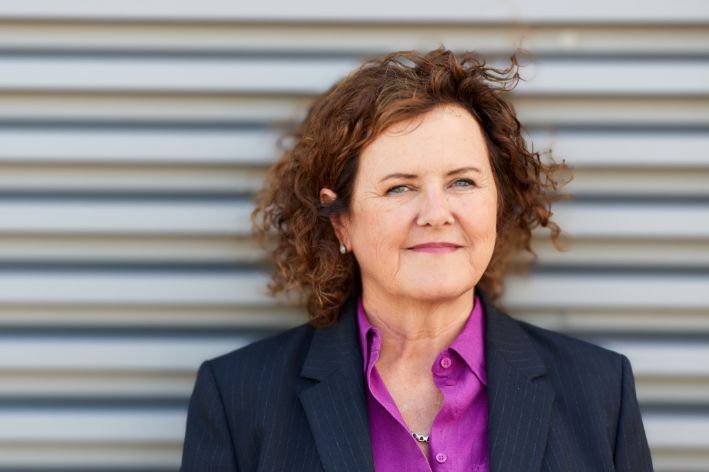
- Read bio Christine Elizabeth Holt
Christine Elizabeth Holt, born 28 August 1954, is a British developmental neuroscientist, best known for her work in understanding the "basic mechanisms that govern how the vertebrate brain becomes wired up in the highly specific and complex way that it does."In 1977, Holt received her Bachelor of Science (Honors) in biological sciences from the University of Sussex. She did her doctoral work under the mentorship of John Scholes at King's College London, receiving her Ph.D. in zoology in 1982.
From 1982 to 1986, she was a postdoctoral fellow in the Physiology Department at Oxford University and the Biology Department of the University of California San Diego (UCSD) under the mentorship W.A. Harris and Colin Blakemore. In 1986, she became an assistant research biologist and lecturer at UCSD, where she continued to study the frog visual system in its early embryonic period. She joined the faculty at UCSD in 1989.
In 1997, Holt moved to Gonville & Caius College at the University of Cambridge. In 2003, she became a Professor of Developmental Neuroscience in the Department of Physiology, Development and Neuroscience, the position she still holds today. She was elected a member of the European Molecular Biology Organization in 2005, a fellow of the Academy of Medical Sciences in 2007, and fellow of the Royal Society in 2009.
In 2009, she was part of an international team that received a Human Frontiers Science Program grant to develop molecular probes that will help researchers better understand the "cellular GPS" system that guides neurons to create a properly wired nervous system."
She has been Professor of Developmental Neuroscience, University of Cambridge, since 2003 and a Fellow of Gonville and Caius College, Cambridge University, since 1997. Christine Holt was elected Member of the National Academy of Sciences in April 2020.
- Read bio Erin Margaret Schuman
Erin Margaret Schuman, born May 15, 1963, in California, US, is a neurobiologist who studies neuronal synapses. She is currently a Director at the Max Planck Institute for Brain Research.Erin Schuman attended the University of Southern California (USC), where she received her B.A. in Psychology (1985). She continued her education to obtain a Ph.D. in Neuroscience from Princeton University (1990). She conducted postdoctoral research from 1990–1993 in the Molecular and Cellular Physiology Department at Stanford University. From there, Schuman was recruited to join the faculty in the Division of Biology at the California Institute of Technology where she moved up the ranks from Assistant to Full Professor. During this time, she was also appointed investigator at the Howard Hughes Medical Institute. In 2009, she was recruited as the Director of Max Planck Institute for Brain Research in Frankfurt am Main, Germany, at which she holds her current position.
Schuman has won a number of prestigious awards, including the Louis-Jeantet Prize for Medicine, the Rosenstiel Award, the Brain Prize, the Körber European Science Prize and the HFSP Nakasone Award. She is a member of The Royal Society in the UK, National Academy of Sciences and National Academy of Medicine in the US and the German National Academy of Sciences Leopoldina.
Sara Seager - Kavli Prize in Astrophysics, 2024
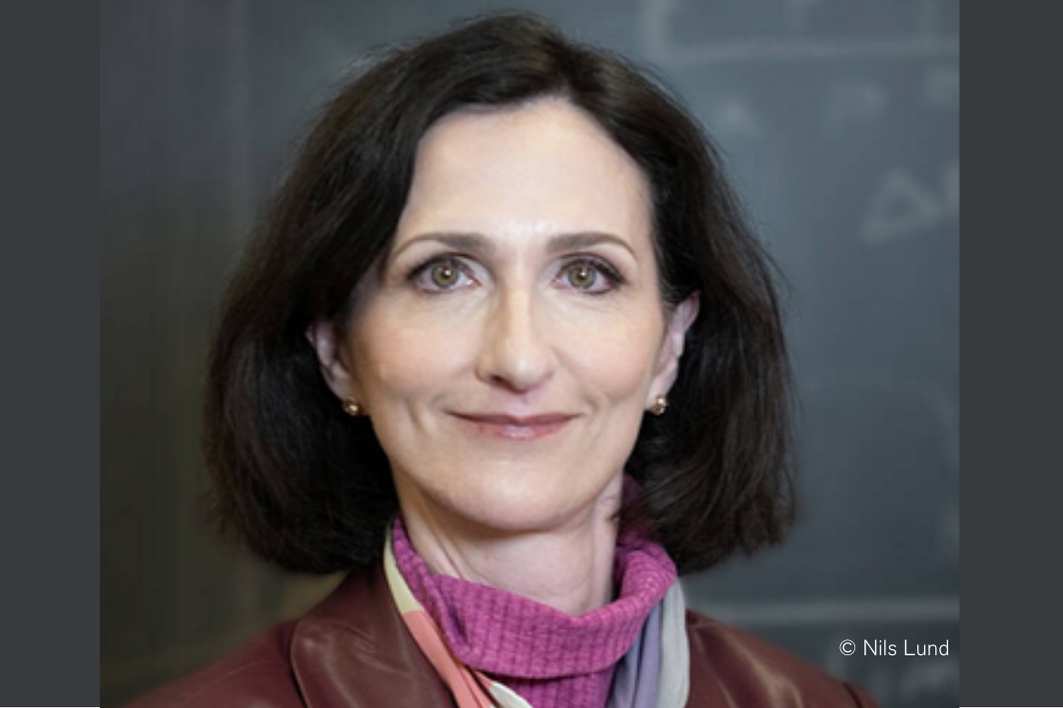
She won the Kavli Prize in Astrophysics for her ground-breaking work on the discovery and characterization of extra-solar planets and their atmospheres.
See ERC press release.
- Read bio Sara Seager
Sara Seager OC, born 21 July 1971, is a Canadian–American astronomer and planetary scientist. She is a professor at the Massachusetts Institute of Technology and is known for her work on extrasolar planets and their atmospheres. She is the author of two textbooks on these topics, and has been recognized for her research by Popular Science, Discover Magazine, Nature, and TIME Magazine. Seager was awarded a MacArthur Fellowship in 2013 citing her theoretical work on detecting chemical signatures on exoplanet atmospheres and developing low-cost space observatories to observe planetary transits.Seager earned her BSc in math and physics from the University of Toronto and her PhD in astronomy from Harvard University in 1999. She then held a postdoctoral research fellow position at the Institute for Advanced Study between 1999 and 2002 and was a senior research staff member at the Carnegie Institution of Washington until 2006. She joined the Massachusetts Institute of Technology in January 2007 as an associate professor in both physics and planetary science, was granted tenure in July 2007, and was elevated to full professor in July 2010. She currently holds the "Class of 1941" chair. She was elected a member of the US National Academy of Sciences in 2015 and a Legacy Fellow of the American Astronomical Society in 2020. In 2020, she was appointed as an Officer of the Order of Canada. She won the 2020 Los Angeles Times Book Prize for Science and Technology for her memoir, The Smallest Lights in the Universe.
Conny Aerts and Jørgen Christensen-Dalsgaard - Kavli Prize in Astrophysics, 2022
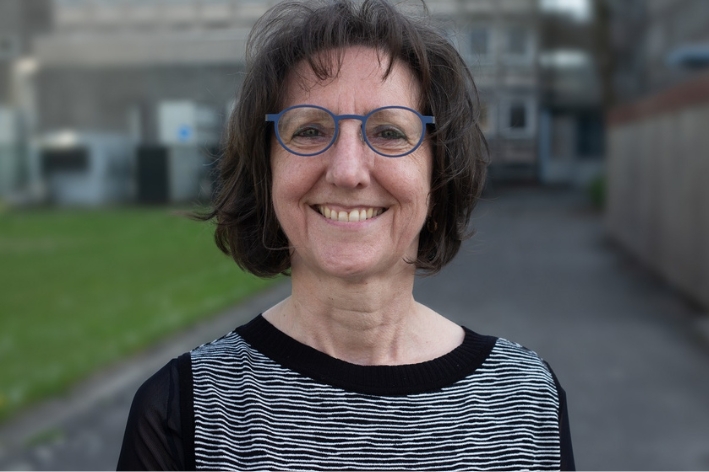
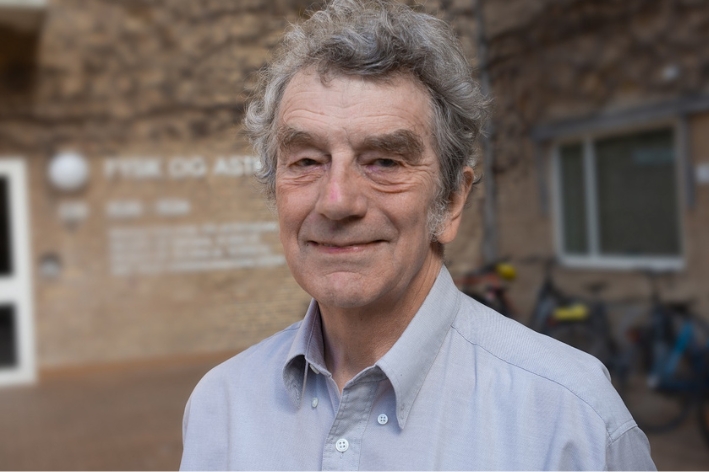
They won the Kavli Prize in Astrophysics for their pioneering work and leadership in the development of helioseismology and asteroseismology.
See ERC press release.
- Read bio Conny Clara Aerts
Conny Clara Aerts, born 26 January 1966, is a Belgian (Flemish) professor in astrophysics. Aerts studied mathematics at Antwerp University and completed her PhD in astrophysics in 1993 at KU Leuven. She was independent Postdoctoral Fellow of the Research Foundation Flanders (FWO) from 1993 to 2001, spending research time at various institutes worldwide, while also acting as advocate for equal opportunities for women in science. She was appointed lecturer at KU Leuven in 2001 and completed the promotion path to full professor by 2007. Conny Aerts was awarded two Advanced Grants and a Synergy Grant by the European Research Council. She became the first woman to be awarded the Belgian Francqui Prize (2012) and the FWO Excellence Prize (2020) in the category of Science & Technology. In 2022, she became the third woman to be awarded the Kavli Prize in Astrophysics for her pioneering work and leadership in asteroseismology.
- Read bio Jørgen Christensen-Dalsgaard
Jørgen Christensen-Dalsgaard, born 6 October 1950, is a Danish astronomer at Aarhus University in Denmark, specialised in asteroseismology and helioseismology. Christensen-Dalsgaard obtained his PhD from the University of Cambridge in 1978, under the supervision of Douglas Gough. He has been the head of "Rumforskningsudvalget" (the committee of space of the Danish Ministry of Science, Technology and Innovation) and the Stellar Astrophysics Centre (SAC) supported by the Danish National Research Foundation. He is co-investigator on the Kepler mission and, with Hans Kjeldsen in Aarhus, leads the 500+ researchers in the Kepler and TESS Asteroseismic Science Consortia (KASC and TASC). He is International Member of the US National Academy of Sciences.
Andrew Fabian - Kavli Prize in Astrophysics, 2020
He won the Kavli Prize in Astrophysics for his groundbreaking research in the field of observational X-ray astronomy, covering a wide range of topics from gas flows in clusters of galaxies to supermassive black holes at the heart of galaxies.

- Read bio Andrew Christopher Fabian
Andrew Christopher Fabian, born 20 February 1948, is a British astronomer and astrophysicist. Fabian was educated at King's College London (BSc, Physics) and the Mullard Space Science Laboratory at University College London (PhD). He served as president of the Royal Astronomical Society from May 2008 through to 2010. He was a Royal Society Research Professor at the Institute of Astronomy, Cambridge from 1982 to 2013, and Vice-Master of Darwin College, Cambridge from 1997 to 2012. He was Director of the Institute of Astronomy, University of Cambridge from 2013 to 2018.
Ewine van Dishoeck - Kavli Prize in Astrophysics, 2018
She won the Kavli Prize in Astrophysics for her work to reveal the processes within interstellar clouds that produce stars and follow the molecular trail from clouds to planets.
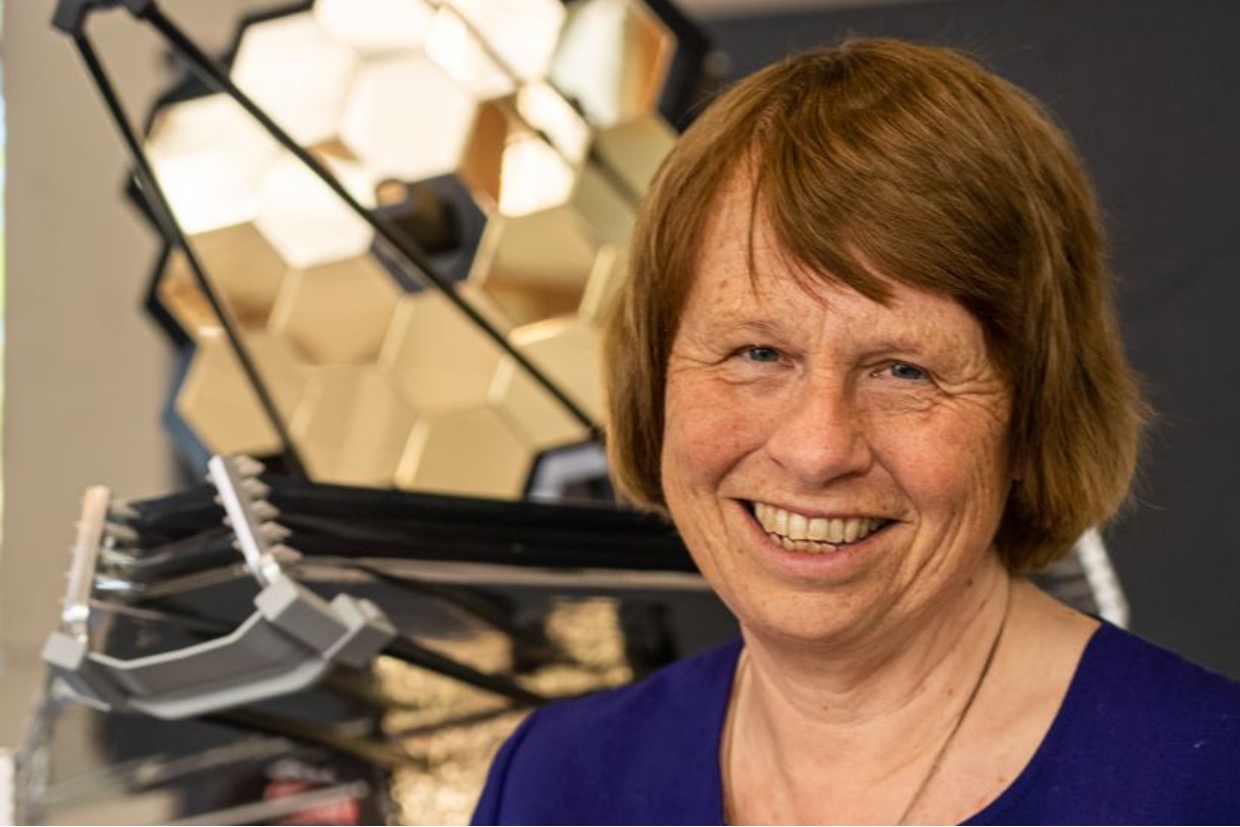
- Read bio Ewine Fleur van Dishoeck
Ewine Fleur van Dishoeck, born 13 June 1955, in Leiden, is a Dutch astronomer and chemist.In 1980, while studying with Dalgarno, van Dishoeck switched her major to astrochemistry and completed her PhD in Leiden in 1984 on the excitation and breaking up of molecules within interstellar gas clouds. She then moved to Cambridge, MA, to receive a position in Harvard’s Society of Fellows to continue her outstanding research on the interstellar medium. She became Professor of Molecular Astrophysics at Leiden University in 1995 and was the scientific director of the Netherlands Research School for Astronomy (NOVA) from 2007-2021. Ewine also served as the President of the International Astronomical Union (2018–2021) and a co-editor of the Annual Review of Astronomy and Astrophysics (2012–present).
The work of her group innovatively combines the world of chemistry with that of physics and astronomy.
Christine Petit - Kavli Prize in Neuroscience, 2018
She won the Kavli Prize in Neuroscience for pioneering work on the molecular and neural mechanisms of hearing.
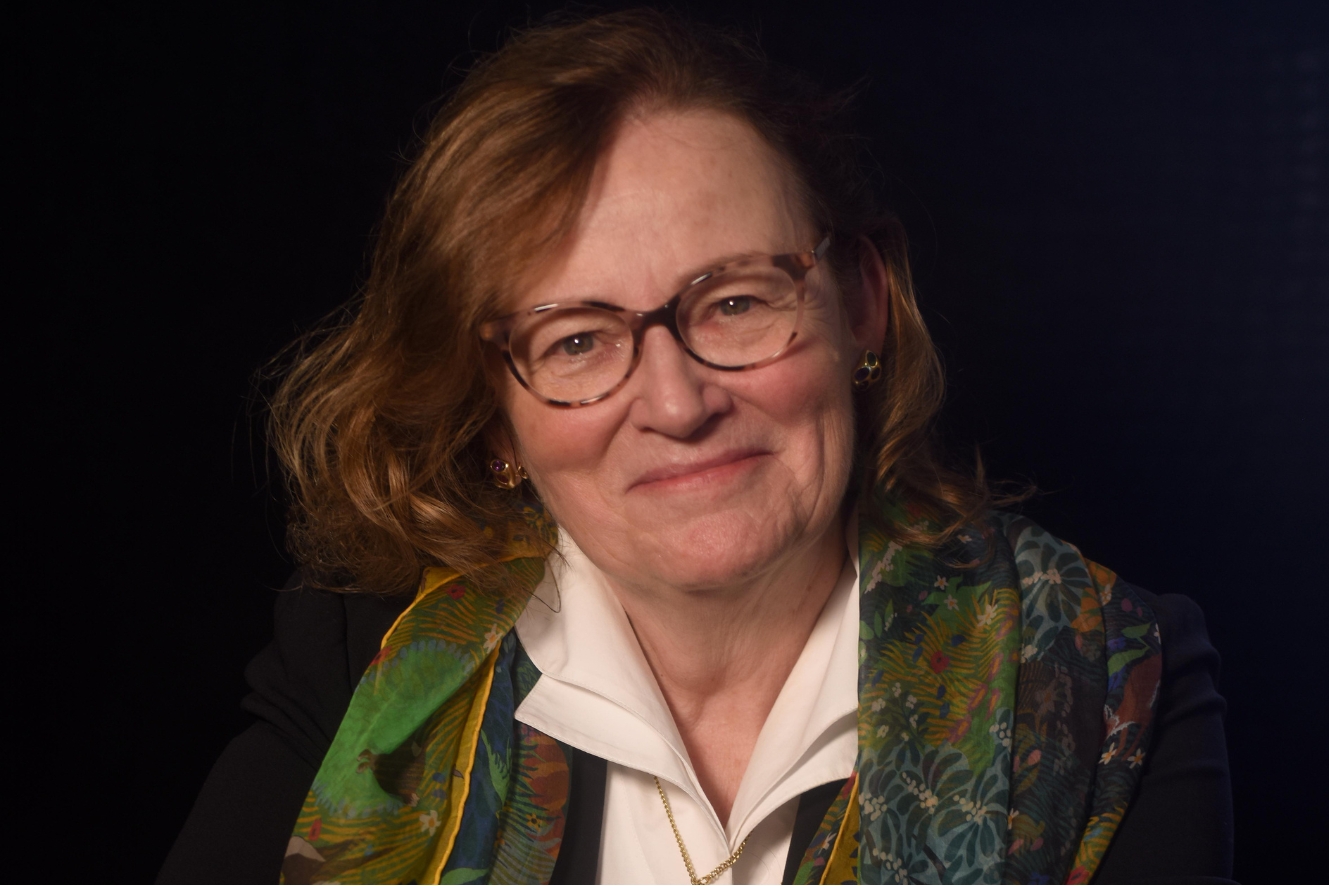
- Read bio Christine Petit
Christine Petit (born February 4, 1948) is a French geneticist and neuroscientist.She has an MD and PhD, having trained as a physician at Pitié-Salpétrière Hospital in Paris and in basic biology (genetics and biochemistry) at the Faculty of Sciences at Orsay (now Paris-Saclay University). She began working at Institut Pasteur in 1974, in the laboratory of François Jacob. She then completed two postdoctoral research projects, at the Centre for Molecular Research in Gif-sur-Yvette (CNRS) and the Basel Institute for Immunology. In 2002, she was elected Professor at the Collège de France, holding the Genetics and Cellular Physiology chair until 2021. She was the founding director of the Paris Hearing Institute, an Institut Pasteur center set up in 2019. She was elected a member of the French Academy of Sciences in 2002, the National Academy of Medicine (USA) in 2011 and the National Academy of Sciences (USA) in 2016.
Her work on basic auditory mechanisms, following a neurogenetic approach based on human hereditary deafness and multidisciplinary studies of the corresponding animal models has been recognized through a number of international scientific prizes.
Thomas Ebbesen - Kavli Prize in Nanoscience, 2014
He won the Kavli Prize in Nanoscience for transformative contributions to the field of nano-optics that have broken long-held beliefs about the limitations of the resolution limits of optical microscopy and imaging.
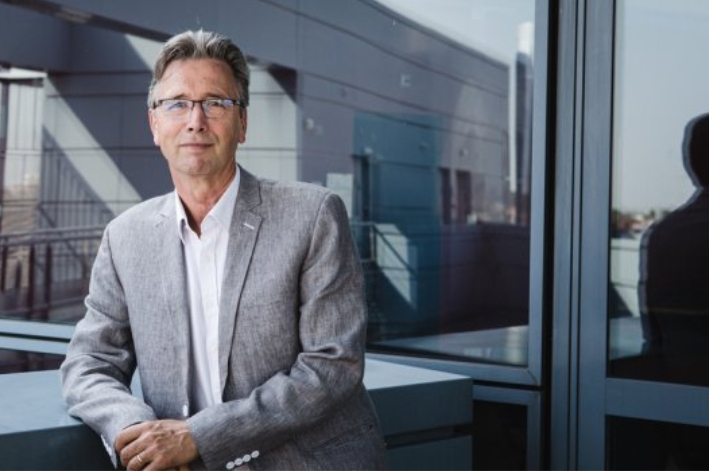
- Read bio Thomas Ebbesen
Thomas Ebbesen, born 30 January 1954 in Oslo, is a Franco-Norwegian physical chemist and professor at the University of Strasbourg in France, known for his pioneering work in nanoscience. In 1999 Ebbesen joined the Institut de Science et d'Ingénierie Supramoléculaires founded by Jean-Marie Lehn at the University of Strasbourg, which he headed from 2004 to 2012. In 2017–2018, he held the L. Bettencourt chair for Technological Innovation at the Collège de France. He is currently the director of the International Center for Frontier Research in Chemistry and the University of Strasbourg Institute for Advanced Study. He is a member of the Institut Universitaire de France, the Norwegian Academy of Science and Letters, the French Academy of Science and the Royal Flemish Academy of Belgium for Sciences and the Arts.