
Beyond good intentions and checklists

Research partnerships across borders raise difficult questions: who decides what knowledge is produced, who owns it and who benefits from it? For ERC-funded teams working across different cultures, institutions and power imbalances, equity is not a separate layer added after the science is designed. It shapes how projects are built from the start.
Two ERC-funded projects show what this can mean in practice. Historian Benedetta Rossi’s project AFRAB, based at University College London, explores African abolitionism through archival research and fieldwork across Africa and Europe. Neuroscientist and archaeologist Luis M. Martínez, based at the Institute of Heritage Sciences in Santiago de Compostela, leads XSCAPE, a Synergy grant project which studies how material and cultural environments influence cognition through work with Indigenous communities, children and great apes at more than 40 field sites.
From ‘local assistants’ to co‑owning the research
When AFRAB was first conceived, its methodology included Africa-based research assistants supporting the work of Rossi and postdoctoral researchers at University College London. The approach evolved into a different model.
"Rather than hiring individual junior assistants to carry out research owned exclusively by UCL‑based researchers,’ Rossi explains, ‘collaboration was established with African universities in which teams of researchers conducted research on AFRAB’s questions and shared their findings with the UCL‑based team."
The change was more than administrative. It recognised that expertise on languages, archives and historical contexts already existed within partner institutions. Collaboration was not a way to outsource tasks; it was a way to organise a less hierarchical, more reciprocal partnership among research teams in Africa and Europe.
Partner institutions were selected through two Calls for Tender, in 2020 and 2022, ensuring that researchers with a genuine interest in African abolitionism could propose their own approaches to the project’s questions. Contracts were eventually signed with institutions in Cameroon, Ethiopia, Ghana, Guinea, Kenya, Niger, Nigeria and Tanzania. An external Independent Ethics Advisor (Professor Sabine Lee, University of Birmingham) was appointed since the beginning of the project and reported on AFRAB’s ethical dimensions regularly to the ERC.
A shared methodological toolkit in English and French set out procedures for ethics, informed consent, confidentiality, incidental findings and authorship. The result was not a single central team and many ‘helpers’, but multiple research teams working across continents, with varying levels of seniority and disciplinary backgrounds.
Researchers met through eighteen AFRAB workshops, analysed findings together, mentored junior scholars, and co-authored publications and conference panels. The partnership model became part of the scientific method itself, shaping how questions were posed, how evidence was interpretated and, how results were shared.
Ethics as a collective practice
In AFRAB, ethics and equity were not understood as something decided by Rossi alone and then implemented by others. They were discussed and developed collectively across the network. Teams reflected together on topics such as informed consent, professional conduct, authorship and how to avoid reproducing extractive patterns in historical research.
These discussions drew on different ethical traditions and institutional cultures, enriching the project rather than flattening it. The partnerships model, with its frequent workshops and exchanges, created an environment in which diverse views could be expressed and negotiated. Researchers in African and European institutions were able to challenge and refine one another’s assumptions, including about what counts as ethical and professional practice in their respective contexts.
This less vertical structure had substantial implications for research quality. By involving historians trained in different national historiographies and institutional settings, AFRAB opened its core questions to multiple schools of thought. For Rossi, the project’s structure made it possible for all teams to learn more from one another, and for interpretations of African abolitionism to be tested and developed across a wider range of academic contexts and scholarly viewpoints.
Co-owners of knowledge
Equity is also about what remains after a grant ends. In AFRAB, this was built into the way partnerships were designed. African institutions were not treated as data providers but as co-owners of the knowledge produced. Research teams retained the rights to reuse and publish the data they collected, creating opportunities that extended beyond the project’s lifetime.
This shared ownership has several effects. It supports long‑term research agendas within African partner institutions, as senior researchers with permanent positions can continue to supervise students and develop new projects based on the material and questions first explored in AFRAB. It also broadens the reach of public engagement, because exhibitions, educational resources and outreach activities are organised and adapted by institutions in their own countries.
Public engagement activities have included exhibitions at venues such as the Nigerian National Museum in Lagos, Fort Jesus Museum in Mombasa and the Institute of Ethiopian Studies in Addis Ababa, as well as activities involving teachers and human-rights activists. All partners contribute to these efforts, ensuring that the project’s impact is not confined to a single institution or country.
For Rossi, this ‘post-project longevity’ is one of AFRAB’s most important outcomes. The relationships and mutual trust built through the collaboration have already led to new joint projects, while the African abolitionism: voices from the continent exhibition and related educational resources continue to reach new audiences.
Crucially, she stresses that this research allowed teams in different regions to work equitably with one another around shared questions. ‘Hopefully, new work on these questions will continue after the project, as researchers pursue their research autonomously in their own countries and establish new collaborations.’
Making ethics part of the research process
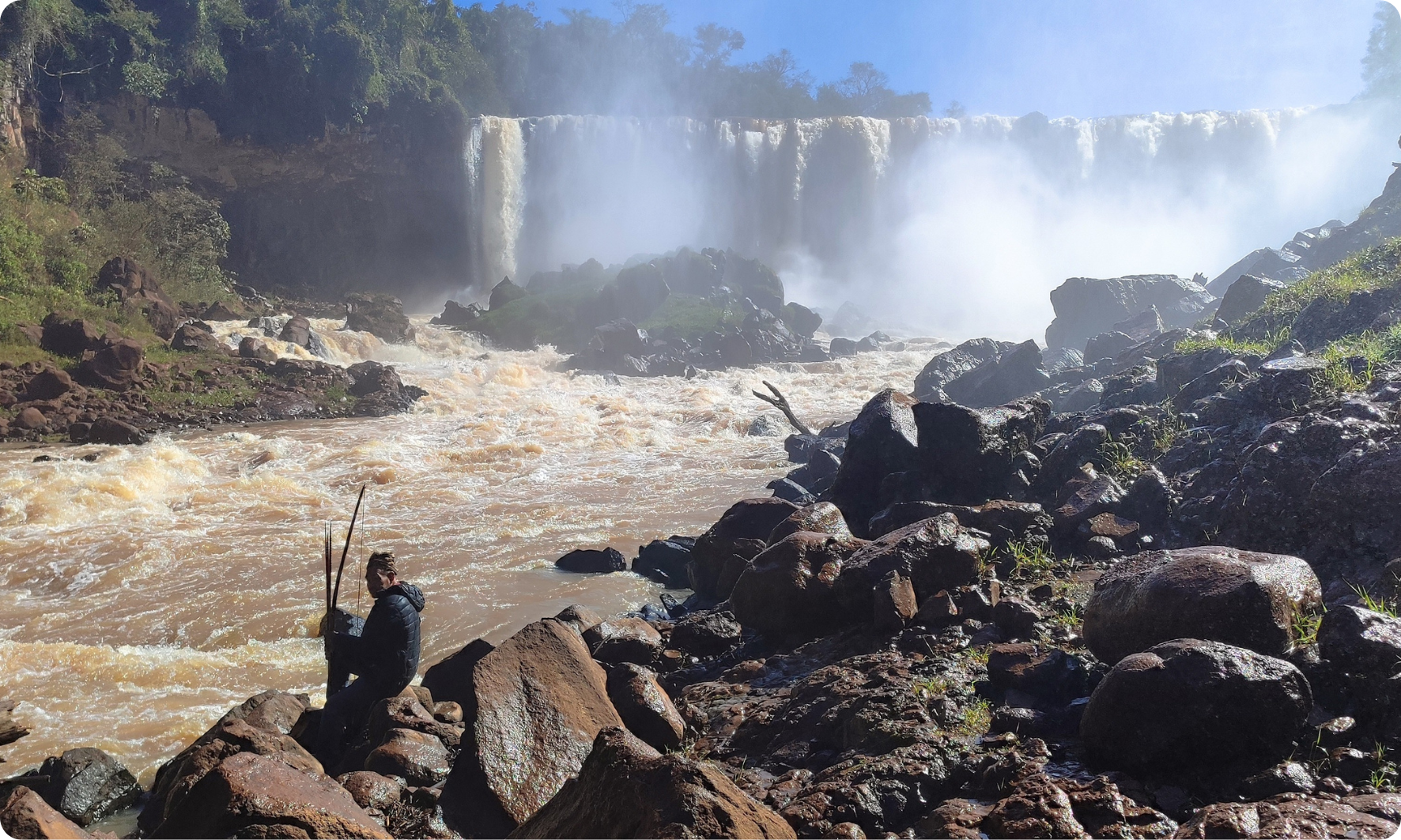
XSCAPE started from a different point but faced related questions. Working across neuroscience, archaeology and anthropology means engaging with living beings, human participants and communities with different histories and understandings of knowledge.
For Martínez, ethics could not be reduced to a document or approval process. It was ‘an embedded element of the work itself, an integral dimension of the scientific value chain.’
To put this into practice, XSCAPE appointed an internal ethics coordinator and an independent external ethics advisory board. The internal coordinator also helped coordinate fieldwork in Indigenous contexts, creating a direct link between ethical reflection and everyday research decisions.
This mattered because the project quickly showed that a single approach could not work everywhere. Communities differed in language, legal frameworks, concepts of personhood and relationships between individuals and groups. ‘Applying identical protocols everywhere was neither ethically appropriate nor scientifically sound,’ Martínez says.
Instead, XSCAPE adapted its methods with local researchers, community representatives and ethics advisors. Consent procedures could combine collective and individual approaches, and participation practices had to reflect local contexts rather than simply follow laboratory models. In this way, ethics became part of how fieldwork was designed and negotiated, rather than a fixed set of rules applied from outside.
Benefit‑sharing beyond the grant
XSCAPE also approaches benefit-sharing through long-term relationships and community priorities. In Indigenous contexts, open data can raise questions about ownership and sovereignty. The project, therefore, negotiates data governance with each community, treating access and use of knowledge as a collaborative process.
In Paraguay, work with the Aché Indigenous community revealed a priority that did not come from the scientific agenda: mapping ancestral territory. The team proposed co-producing a territorial map as a reciprocal contribution. The map is not separate from the research; it also informs scientific questions about how people understand and experience their environment.
In this sense, XSCAPE’s ethics are closely tied to specific communities and field sites, rather than to contracts between universities. The project’s focus on co‑designed activities – from educational workshops to shared interpretation of findings – seeks to ensure that research leaves something meaningful behind in the places where it is carried out.
Different routes to equitable research
AFRAB and XSCAPE show that equitable research is not about applying a fixed checklist, and that there is no single model that fits all situations.
In AFRAB, equity is woven into the structure of international collaboration between institutions: calls for tenders, contracts, shared ownership of data and questions, and a partnerships model that supports reciprocal intellectual exchange and post project continuity. Ethics and equity are discussed and enacted collectively within and between teams, rather than being defined unilaterally.
In XSCAPE, equity is worked out in the field, project by project and community by community. Ethics is placed ‘at the very centre of the research process’, says Martínez Otero, raising questions about who benefits from the research, who has the right to speak for whom, and under what conditions knowledge should be produced and shared.
In research on contexts shaped by histories of violence, dispossession or marginalisation, both projects suggest that ethics must go beyond risk mitigation. It may entail a commitment to less hierarchical ways of organising research, or to modes of knowledge production that are sensitive to local priorities and understandings. Equity is therefore not an extra added to research after the fact; it is part of how knowledge is created, shared and sustained – even if the routes to get there look very different.
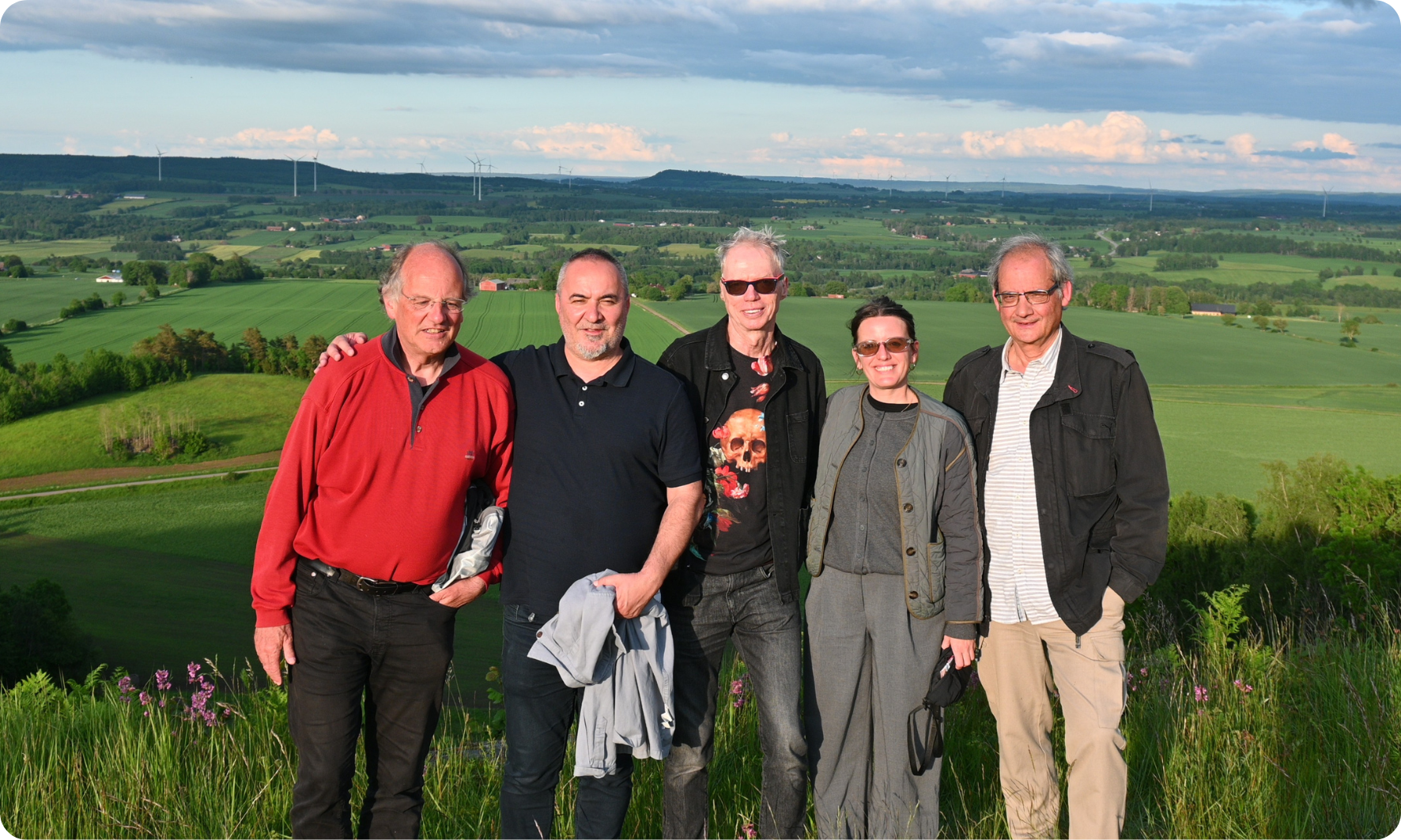
Benedetta Rossi is Professor of History at University College London and leads the ERC Advanced Grant project AFRAB on African abolitionism and anti‑slavery movements across Africa and Europe.
Luis M. Martínez is a neuroscientist and archaeologist at the Institute of Heritage Sciences in Santiago de Compostela, and is one of the researchers of the ERC Synergy project XSCAPE on how material and cultural environments shape human and non‑human cognition