New study identifies a natural mechanism that limits tumour progression

An international research team co-led by the Institute of Biomedicine and Biotechnology of Cantabria (IBBTEC-CSIC-University of Cantabria) and the Center for Cooperative Research in Biosciences (CIC bioGUNE), member of the Basque Research & Technology Alliance (BRTA), has identified a novel molecular mechanism that contributes to limiting the progression of several types of cancer.
The findings, published in Nature Communications, reveal that the protein ASPA acts as a natural regulator that help prevent the activation of cancer-associated fibroblasts (CAFs), cells within the tumour microenvironment that play a critical role in tumour growth, tissue invasion, and metastasis.
The discovery provides new evidence of the importance of the tumour microenvironment, the complex cellular ecosystem surrounding cancer cells, which directly influences disease progression. Understanding how cancer reprogrammes the healthy cells in its surrounding tissue has become one of the main priorities in oncology research, as these interactions can determine tumour aggressiveness and response to treatment.
Looking beyond cancer cells
Although cancer is commonly associated with the uncontrolled proliferation of malignant cells, tumours are composed of a wide variety of interacting cell types. These include immune cells, blood vessels and fibroblasts, which are responsible for maintaining the normal structure and function of tissues.
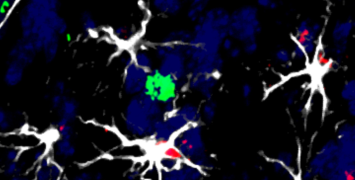
During tumour development, however, many of these cells are reprogrammed by the tumour itself and begin to support its growth. Among them, CAFs are now recognised as one of the most influential components of the tumour microenvironment due to their ability to promote tumour progression, facilitate cancer cell dissemination and contribute to resistance to certain therapies.
'During the past decade, we have pursued a major question in the lab: how do tumors deploy adaptive mechanisms that sustain disease progression? This project drove us to look at the normal cells that inhabit the tumors and to discover that fibroblasts are metabolically reprogrammed by cancer cells as a strategy to support cancer progression. The complexity of this research question turned this idea into a collaborative effort between a lab with expertise in cancer biology (Carracedo) and a lab expert in fibroblast biology (Calvo), supporting the notion that collaborative curiosity-driven frontier research is indispensable to achieve relevant biomedical discoveries', says Arkaitz Carracedo, CIC bioGUNE and ERC grantee.
Understanding how this transformation occurs has become a major priority in cancer research and has contributed to major advances in oncology, including the development of therapies that target the tumour microenvironment.
ASPA acts as a natural brake
Against this background, the research team identified ASPA as a key regulator of the behaviour of cancer-associated fibroblasts.
The results show that, as tumours progress, a complex interplay between cancer cells and the surrounding healthy tissue leads to a gradual reduction in ASPA expression. As ASPA levels decline, fibroblasts lose an important natural regulatory mechanism and acquire characteristics that promote tumour growth and the development of more aggressive forms of the disease.
The study further demonstrates that ASPA exerts this regulatory function by suppressing TGFβ signalling, one of the principal pathways responsible for activating cancer-associated fibroblasts.
Using a multidisciplinary approach combining biochemical analyses, cellular models, in vivo studies and advanced single-cell sequencing technologies, the researchers were able to characterise the role of ASPA across multiple tumour types with high precision.
'Indeed, fruitful collaboration has been paramount in this study. Our lab has been focused in understanding how tumors “corrupt” otherwise normal cells to thrive and whether that represents a targetable vulnerability for treatment. We focus particularly in fibroblast as they are key signalling and scaffolding cells within tissues with important roles in cancer progression. Working with Dr Carracedo’s group enabled us to interrogate new aspects of fibroblast in tumors such as metabolic adaptations and to identify new mechanisms associated with their tumour promoting behaviour', says Fernando Calvo, IBBTEC (University Cantabria) and ERC grantee.
Potential clinical relevance
One of the study's most significant findings is that the loss of ASPA is associated with more aggressive disease progression across different types of cancer. These results suggest that ASPA could potentially serve as a biomarker to identify patients at greater risk of tumour progression and metastasis.
Although this is a fundamental research study with no immediate clinical application, the findings provide abasis to investigate ASPA as a potential therapeutic target and to develop improved strategies for cancer diagnosis and treatment.
The study was made possible through extensive international collaboration and the generosity of patients who donated essential biological samples for the research. The work was supported by the Spanish Association Against Cancer (AECC), the Spanish State Research Agency (AEI), the European Research Council (ERC), the "la Caixa" Foundation and the CRIS Cancer Foundation.