
Neuroscience study examines obedience and resistance in genocide

A neuroscientific study of people who lived through the 1994 Genocide against the Tutsi in Rwanda, published today in American Psychologist, provides the first direct evidence that rescuers’ brains process others’ distress differently from those who took part in the violence or remained bystanders.
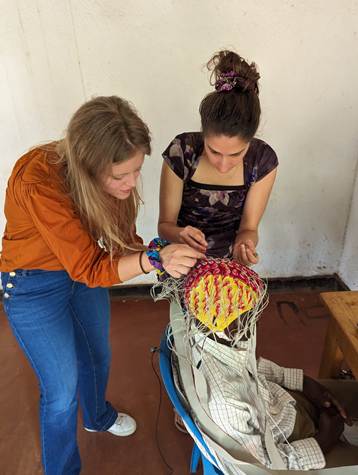
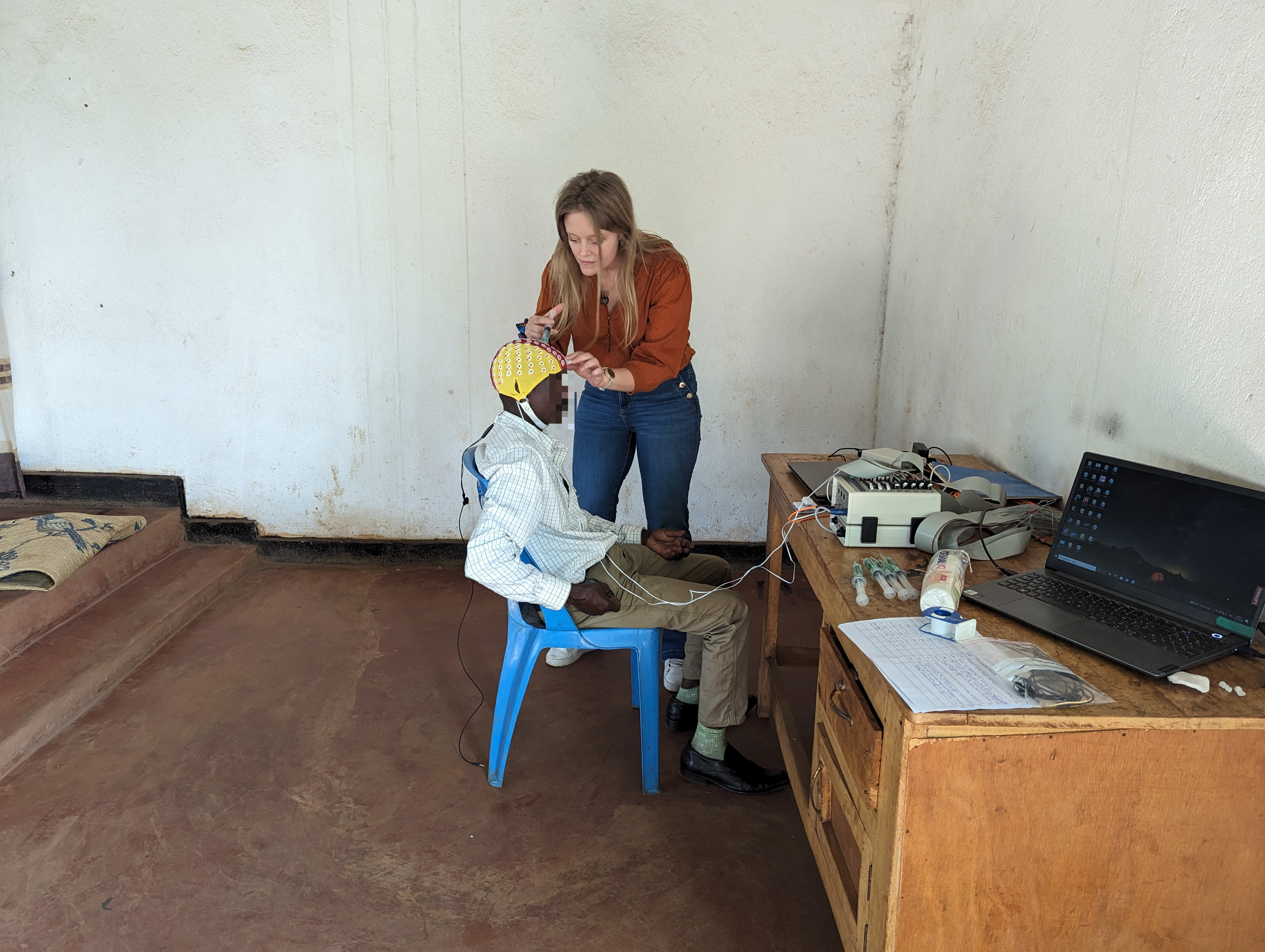
Researchers compared three groups of Rwandans who took sharply different paths during the genocide: former perpetrators, bystanders and rescuers who defied orders to save lives. Travelling across rural Rwanda with portable electroencephalogram equipment and computers, the team conducted the first neuroscience study to examine what distinguishes these groups.
‘This is the first study to use neuroscience methods to investigate what separates them,’ said Emilie Caspar, Professor at Ghent University in Belgium and the principal investigator of the study funded by the European Research Council (ERC). ‘On a human level, it was an intense experience. Beyond hearing their stories, it required a long process of building trust before participants felt comfortable wearing these devices on their heads.’
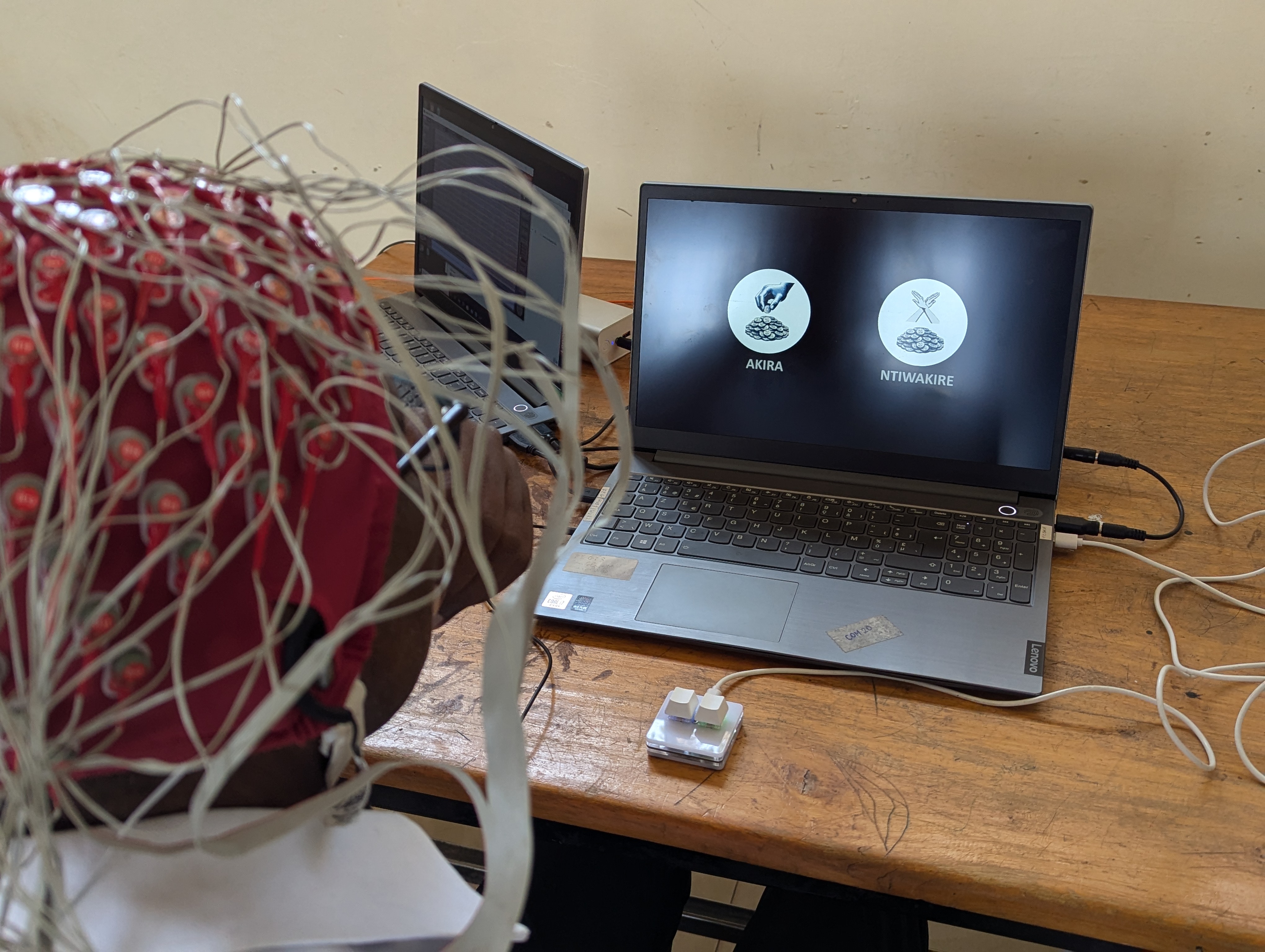
Using an EEG-based task adapted from classic obedience experiments, participants were instructed by an experimenter to take or not take money from another person. This allowed researchers to measure levels of obedience and disobedience, as well as the neural processes underlying these decisions.
The neuroscience of moral resistance
The study found that rescuers showed stronger neural responses to others’ sadness when money was taken from them, a marker of emotional empathy known as the Late Positive Potential (LPP), than bystanders and former perpetrators. This heightened emotional processing was also linked to higher levels of prosocial disobedience, with participants more likely to refuse immoral orders to take money from another person.
‘At the neural level, rescuers appear to feel others’ suffering more intensely,’ says Professor Caspar. 'That heightened emotional engagement may help explain why they chose to help those targeted by the genocidal process, rather than participate or turn a blind eye.'
In contrast, former perpetrators were more likely to comply with harmful commands and reported lower feelings of responsibility, consistent with self-reported tendencies to downplay their role in past actions. Yet across all groups, more than half of participants refused to obey immoral orders, an unexpectedly high rate compared with earlier studies among younger generations born after the genocide, where disobedience was almost absent.
‘This suggests that obedience is not a fixed trait,’ Professor Caspar explains. ‘Life experience, especially living through genocide, may profoundly change how people weigh authority against moral responsibility. But simply knowing about these events, for instance among the new generations, appears not to be sufficient to resist harmful influence.’
Rescuers also differed in how they made decisions. Their response times suggested deeper reflection before acting, and they cited a wider range of motivations for disobedience, including empathy, family upbringing and Rwanda’s history. More often than former perpetrators or bystanders, rescuers also reported having childhood role models who had engaged in rescue actions. These early influences may have helped shape their later decisions to resist authority and protect others.
The banality of evil
The study found no stable neural differences between former perpetrators and bystanders, challenging the idea that participation in genocide reflects a fixed ‘violent personality’. Instead, the findings point to situational and social factors, such as propaganda, dehumanisation and fear, as central drivers of mass violence.
'This finding is crucial,' said Professor Caspar. ‘In everyday thinking, people tend to attribute genocidal actions to dark personality traits or some dysfunction of the brain. Emotionally, that is understandable. But finding no difference at all supports Hannah Arendt’s idea of the "banality of evil": participation in genocide is not about who you are, but about the ordinary social pressures and circumstances that can lead people to commit extraordinary harm.’
Real-world obedience and its implications
For decades, researchers have relied on the famous obedience experiments of social psychologist Stanley Milgram to understand why ordinary people commit atrocities under orders. However, Milgram’s studies never included individuals who had lived through a genocide, nor did they identify the neural mechanisms that help explain why some people resist while others display destructive obedience. This new work bridges that gap, testing whether theories of obedience developed in laboratories hold true among those who have directly experienced mass violence.
‘Despite the promise of “Never Again”, such atrocities continue to occur,’ says Professor Caspar. ‘Understanding how ordinary people find the strength to resist immoral orders is not only a scientific question - it is a societal one. If we can identify the mechanisms that support moral courage, perhaps we can help foster them.’
The researchers hope that their work will inspire educational and peacebuilding initiatives that cultivate empathy, critical thinking, and resistance to destructive authority.