How can we transform our world to meet the pressing challenges of climate change, biodiversity loss, and sustainable development? An ERC report explores this question by analysing over 300 ERC-funded projects that shed light on the concept of transformative change and its potential to pave the way for a just and sustainable future.

Research presented in this report addresses the urgent need for action to confront interconnected crises. As emphasised by the Intergovernmental Science-Policy Platform on Biodiversity and Ecosystem Services (IPBES), transformative changes in economic, social, behavioural, and political systems are essential to reverse the alarming trends impacting our planet. Frontier research plays a vital role in this endeavour, providing the insights and innovative solutions needed to tackle these complex challenges and contribute to achieving the Sustainable Development Goals.
Evidence-based pathways to a sustainable future
The ERC report analyses 312 projects from 22 countries, supported by €653 million in funding, and identifies five key themes that demonstrate the breadth and diversity of ERC-funded research on transformative change.
- A healthy planet
- A just green transition
- Redefining prosperity: post-growth, circular economy, sustainable use of resources
- Sustainable urban development and infrastructures
- Leverage points for sustainable transitions
A healthy planet
Underlying these efforts is the drive to promote a healthy planet. ERC-funded projects address pressing challenges such as pollution , biodiversity restoration , sustainable food systems , and ecosystem management. Without thriving ecosystems, human wellbeing and economic activity cannot be sustained, making their protection and restoration essential for a just green transition.
Projects in this report also aim to better understand the challenges of interconnected crises at the nexus of biodiversity, water, food, health, and climate change, as well as the impact and dependency of business on biodiversity, two themes tackled by IPBES assessments. They develop models and tools to support balanced decision making. They explore new business models, the impact of supply-chain policies and more sustainable production modes. ERC-funded research also strives to support governance and policy, for example, by addressing the challenge of balancing or prioritising equally important objectives or by implementing nature-based solutions.
Just and inclusive green transitions
Equity and inclusivity emerge as central pillars. Many ERC projects stress that the shift to a sustainable economy must be equitable and socially responsible. This includes ensuring fair distribution of the benefits and burdens of the transition while mitigating impacts on workers, local communities, and vulnerable populations, including Indigenous peoples. The research also calls for addressing the imbalance between the Global North and South, highlighting the disproportionate burden borne by economically disadvantaged countries that have contributed less to the crises. More ERC projects explore how principles of fairness, equity, and inclusion in green transitions are highlighted here.
Redefining prosperity: post-growth, circular economy, sustainable use of resources
Redefining prosperity is another critical theme, explored through alternative economic paradigms such as post-growth, the circular economy, and sustainable resource use. Post-growth theories propose decoupling prosperity from consumption and wellbeing from economic growth, while the circular economy emphasises reducing waste and reducing the footprint and environmental impact of consumption around the globe. ERC-funded researchers also study legal options that could make company structures and work arrangements more sustainable.
Sustainable urban development and infrastructures
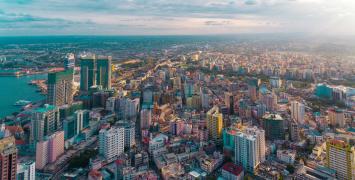
The report highlights frontier research on sustainable urban development and infrastructures, including for green energy, transportation, and resilient water systems. These efforts are essential for developing cities that can support growing populations while minimising environmental impact. ERC-funded research also studies how to bring the New European Bauhaus to life – by fostering cities and communities that are greener, more inclusive and inspiring – with green buildings and spaces that promote well-being, creativity and social justice.
Leverage points for sustainable transitions
These themes include leverage points for sustainable transitions, with a focus on governance, green behaviours, finance, and taxation. The report explores strategies to scale up sustainability while protecting the environment, including implementing fair green tax reforms, lowering the cost of capital for low-carbon technologies, and addressing the financial benefits and challenges of the green transition.
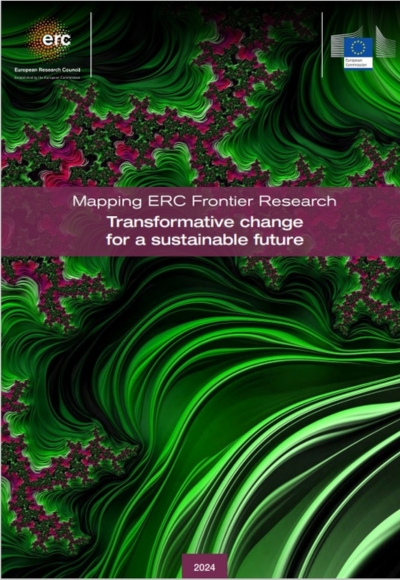
Read the full report
Listen to ERC grantees at the ERC-STOA event ‘From Science to Policy: Shaping a Sustainable and Competitive Europe’ in the European Parliament
Watch the report’s presentation in the European Parliament Environment and Health Committee (from 10h30)