How to take your research to the public: advice from eight ERC public engagement winners

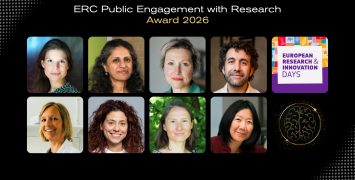
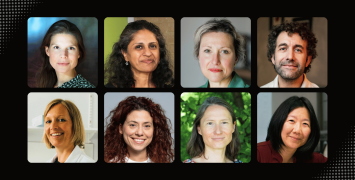
Earlier this year, a panel of experts in the field of public engagement with research and science communication selected the eight winners of the ERC Public Engagement with Research Award 2026 from a total of 110 applications from 26 countries. These winners received €10 000 each at a ceremony held on 10 November 2026 in Brussels.
We spoke with them and asked what advice they would give to researchers taking their first steps in public engagement, the challenges they faced along the way and what they found most rewarding, both personally and for their research. Here's what they shared with us.
Where to start
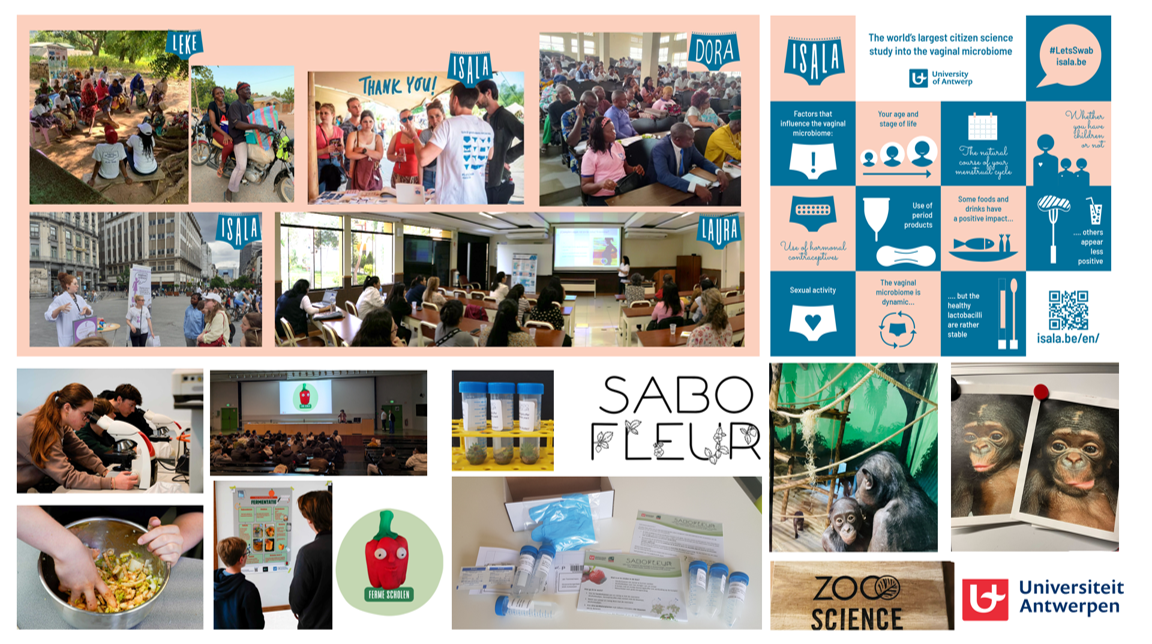
Start small, says Sarah Lebeer from the University of Antwerp. Her first citizen science project involved 30 volunteers who fermented vegetables at home, learning about lactobacilli through a tasty process. ‘You do not need a big budget or a large platform to begin,’ she says. ‘A simple idea that sparks curiosity is often enough.’
Konstantina Kilteni (Karolinska Institute and Donders Institute) suggests researchers say ‘yes’. This approach has led to more opportunities for her and her team, for example to hold hands-on experiments in museums and libraries following a review article on ticklishness that attracted media attention. ‘The more we said yes, the more invitations followed.’
‘Say yes to opportunities, even small ones. You never know where they might lead, and it pays off!’
Konstantina Kilteni
Katalin Csilléry (Swiss Federal Institute for Forest, Snow and Landscape Research WSL) found her first foresters through personal networks of her team members. These foresters then reached out to their own contacts. Her advice is: ‘Find your first “champions”, people who understand your goals and are motivated by your topic and expand from there. Even more people will join once you reach a critical mass.’
Roanne van Voorst (University of Amsterdam) was a journalist before she became an academic and she builds her work together with the people she studies. The format of the public engagement, for example, photographs in an exhibition, a novel or a play, follows the interests of the participants. Her tip is to ‘speak in a language that is telling to them, rather than to your academic peers’.
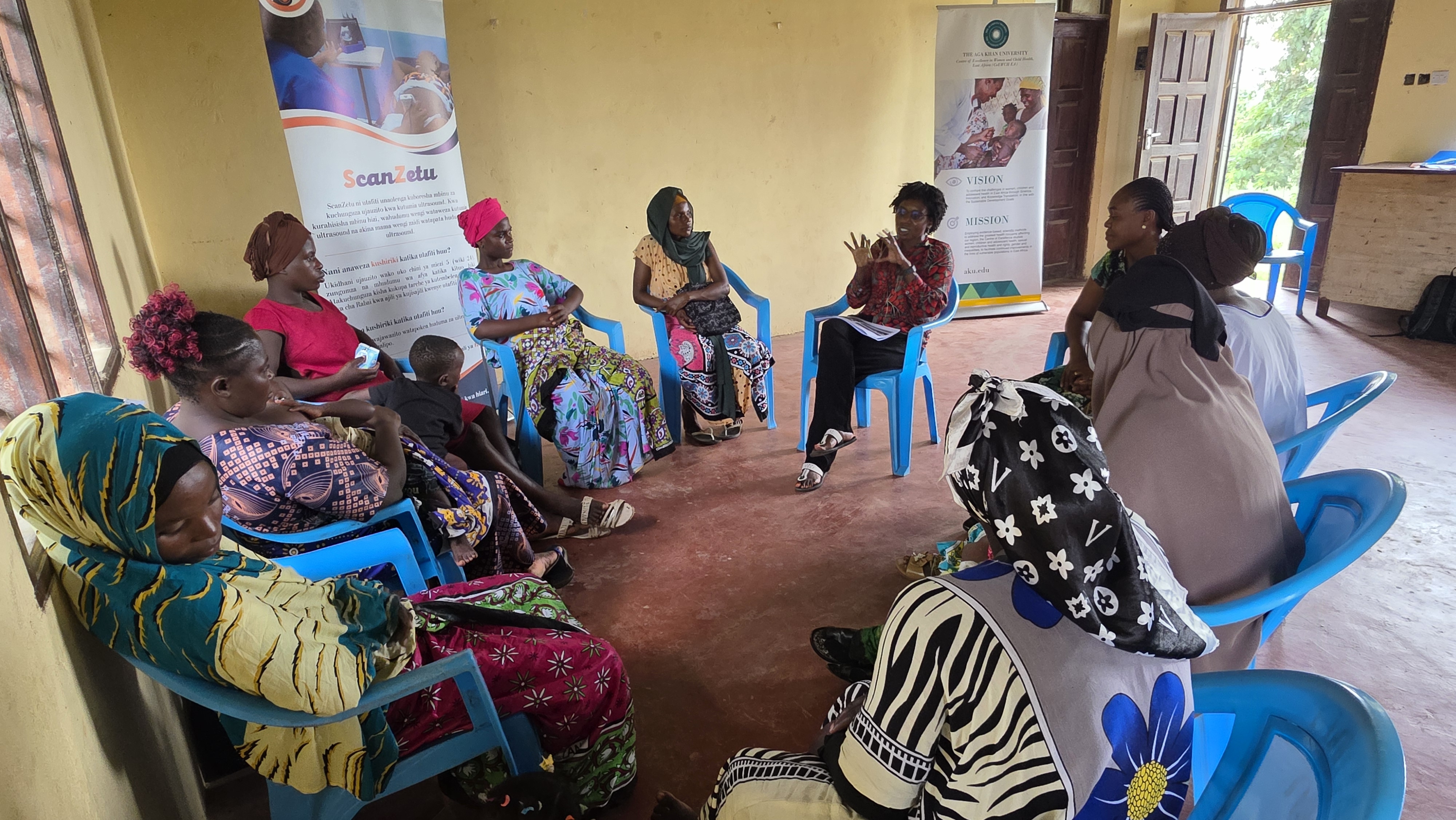
Karim Lekadir (University of Barcelona) included public engagement in his ERC proposal back in 2021, at a time when involving members of the public in medical AI was rare. ‘I never expected it to become so scientifically impactful,’ he says. Communities in rural Kenya brought ‘expertise that AI researchers and clinical experts do not have: lived experience’. The jury mentioned that public engagement was treated as a core scientific method in his project. His advice is to build engagement into the science from the beginning.
Elaine Chew (King’s College London) has been playing the piano since childhood and she still performs in her lectures accompanied by scientific visualisations, ‘showing by doing, more than simply saying’. She documented her research on a blog and on a YouTube channel and journalists and broadcasters, from Der Spiegel to the BBC, spontaneously contacted her. ‘Engaging audiences takes practice, and there’s no time like now to start.’
The hard part
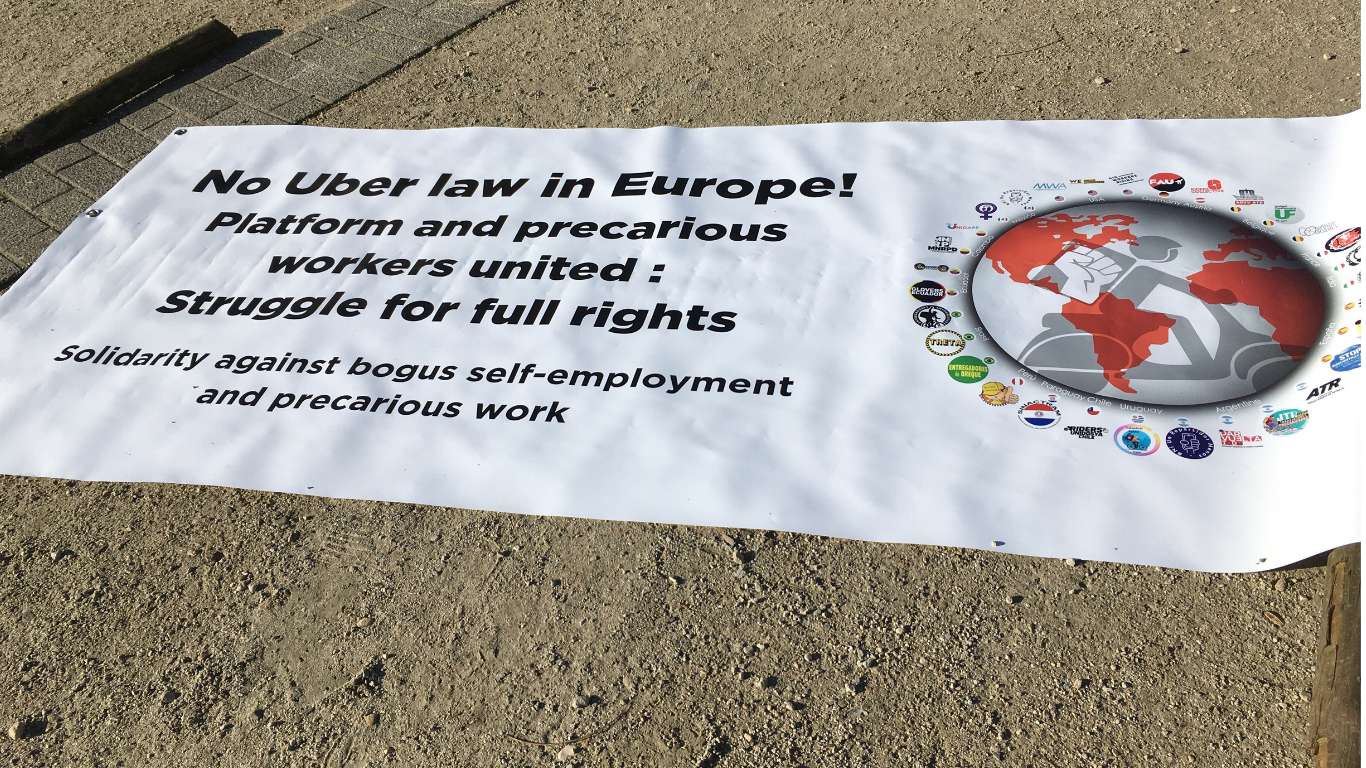
Valeria Pulignano (KU Leuven) argues that the timing of public engagement, and who is responsible for it, are critical. Due to legal uncertainties, her team was forced to delay a nationwide report on platform work. According to her, ‘It also means exercising judgement about when and how findings can be communicated responsibly.’ She also recommends getting involved in policy debates when research is already on the agenda.
Expect some logistics, says Katalin Csilléry. Her experiment required preparing 300 individual parcels of seeds with the help of more than 20 temporary assistants. ‘I never expected to spend so much time handling parcels, comparing offers, and queuing in post offices!’ Once the parcels were distributed, local coordinators in each country were crucial in helping the foresters get started. The jury viewed citizen science as an integral part of the research and not as a supplementary activity.
‘I never expected to spend so much time handling parcels, comparing offers, and queuing in post offices!’
Katalin Csilléry
Prabha Kotiswaran (King’s College London) advises checking what your creative partners want. The documentary 'Working Girls' was made with a filmmaker and the digital museum of labour with a curator. ‘What is exciting for a researcher may be less so for a filmmaker and vice versa,’ Prabha Kotiswaran noted after a partner organisation would not approve the curator for several weeks because they were worried about having to rent a museum building for the exhibition.
Karim Lekadir’s team learnt to drop the jargon. To explain AI to people in rural Kenya who knew little about it, they used everyday analogies and framed technical issues as personal ones. Rather than asking about sources of bias, they asked: 'Have you ever experienced inequality as a person or patient, and why?' The engagement was led by local Kenyans and the project was named Scan Zetu, which means ‘Our Scans’ in Swahili.
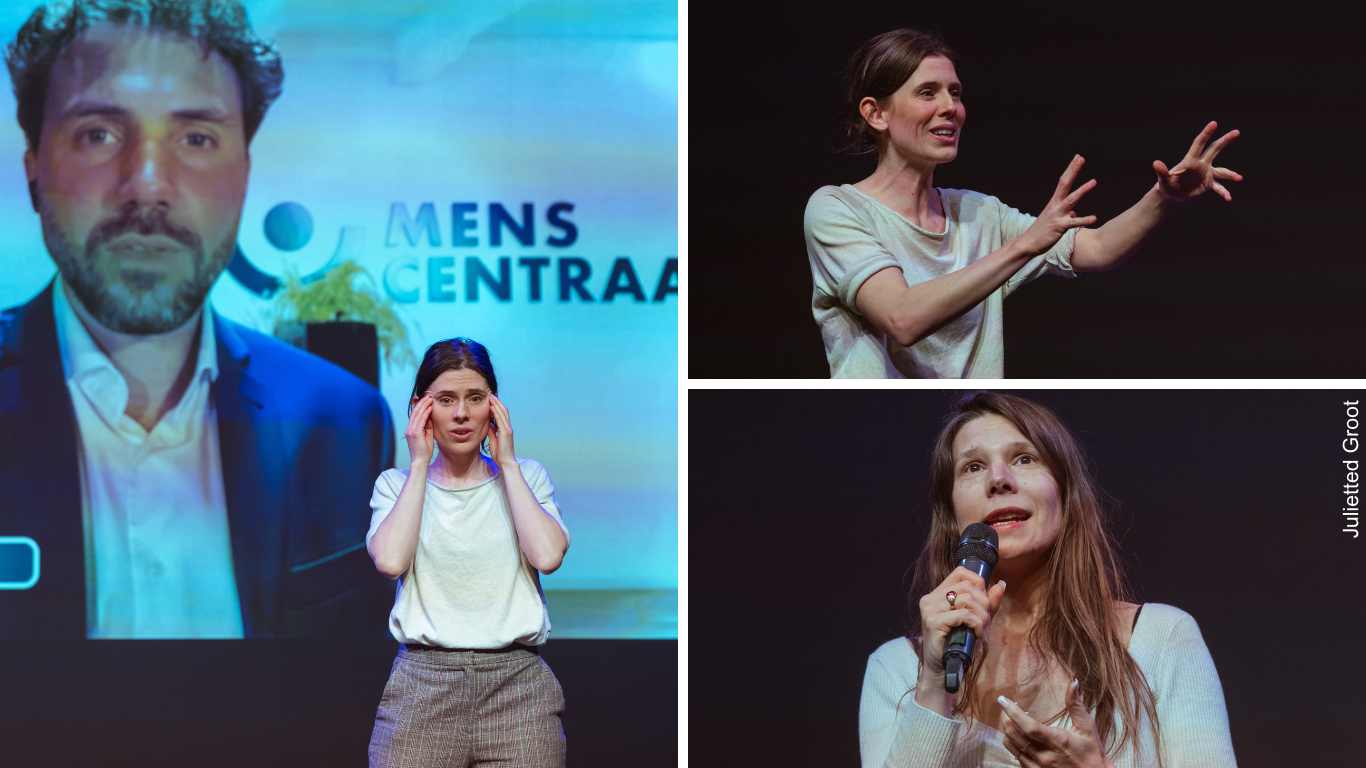
Co-creating a play meant coordinating venues, meetings and audiences around Roanne van Voorst's already busy schedule. Still, it paid off. Her tip is to budget time for organising, because it is a job in itself. The play, ‘Future in the Now’, is still being booked after 15 performances, each with a discussion afterwards. The jury noted that the discussions led to honest conversations, rarely heard in hospitals or at conferences.
What they got back
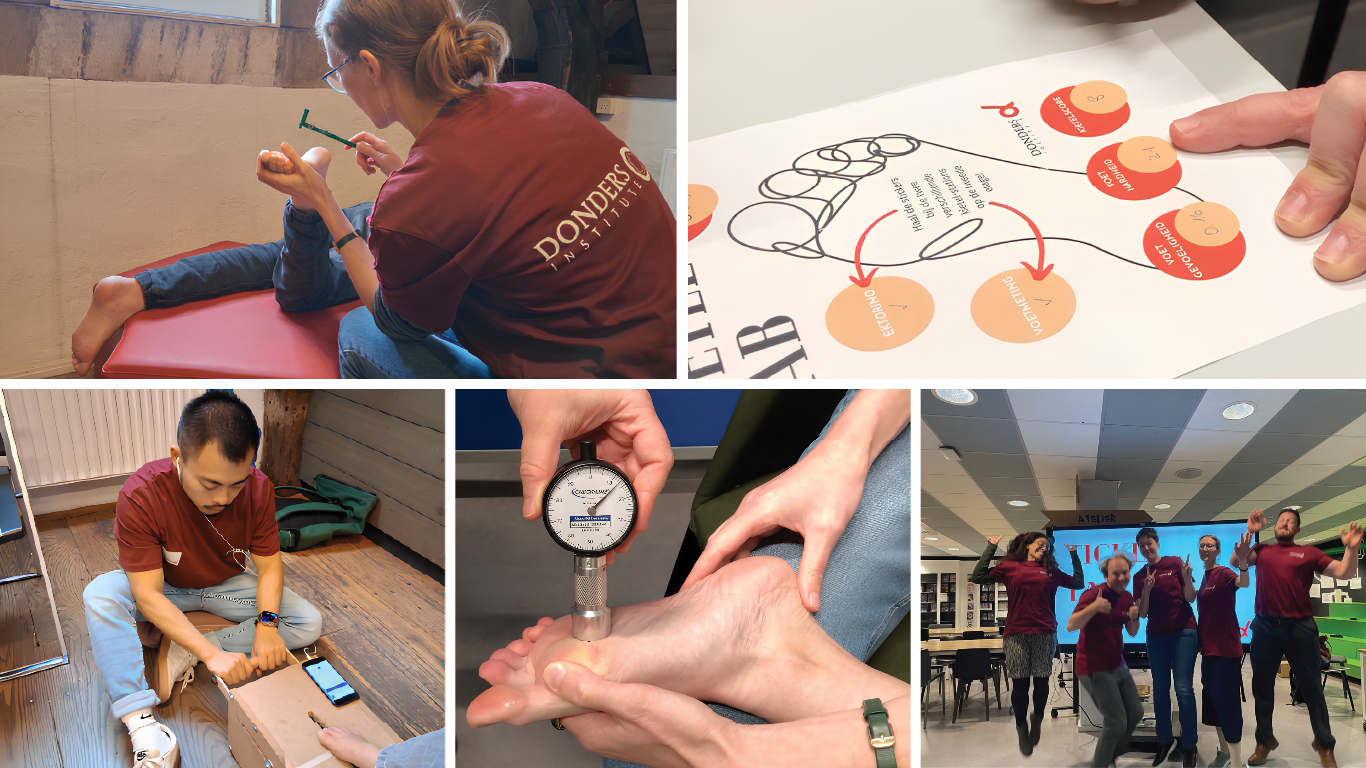
Many people have stories to tell about their experiences with ticklishness, for example, that they are much more ticklish than their friends, or that they do not like to be tickled at all. ‘These personal stories challenged our assumptions and inspired new research directions’, Konstantina Kilteni says. The feedback her team received also helped to secure funding to extend the project to clinical populations, such as autistic people who are often under-represented in public engagement activities.
Sarah Lebeer's team identified many links between lifestyle, diet and vaginal health that had been largely unknown. They also managed to set up biobanks that conventional research techniques would not have been able to create. Isala, the women’s health platform, collected more than 10 000 samples and the jury singled out the personalised feedback, or ‘microbial passports’, that kept participants motivated.
Valeria Pulignano (KU Leuven) listened first. She advises other researchers to do the same: ‘Start by listening to those who experience the problem.’ The workshops with platform workers, trade unions and NGOs revealed hidden work such as unpaid time spent looking for work. The team partnered with ERC National Contact Points and Oxford's FAIR Work network, which the jury deemed a smart use of resources. She was subsequently invited to join the Expert Group on the EU Directive on platform work.
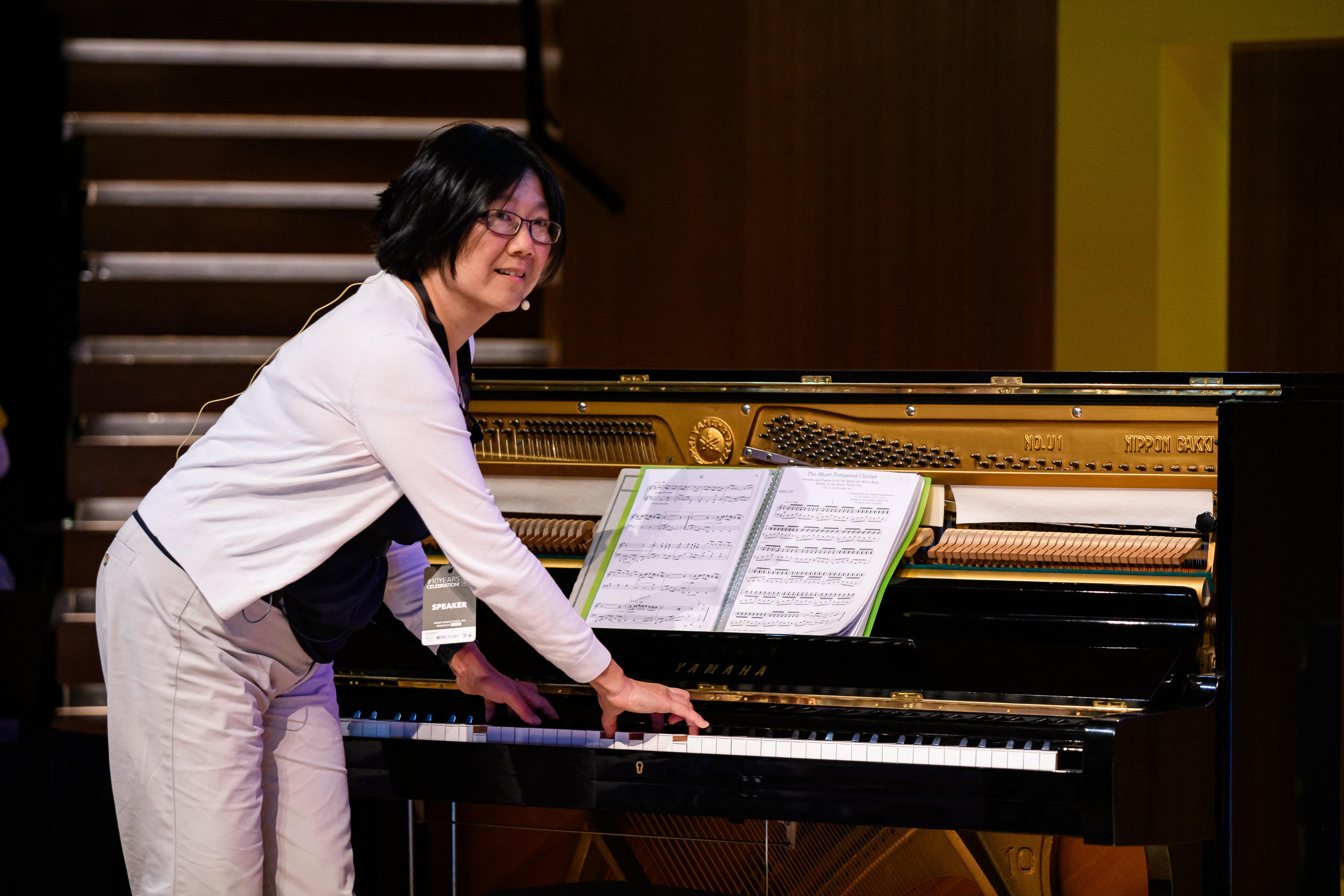
For Elaine Chew, communicating her research using music has opened up many doors in other fields. She gave talks and performed at Falling Walls in Berlin, and at cardiology conferences, where her research won a Best Innovations in AI & Digital in Clinical Electrophysiology award at EHRA Paris. A pilot study with the European Hypertrophic Cardiomyopathy Patient Foundation began at a concert of hers where her arrhythmia music was featured. According to the jury, the citizen science component, with more than 500 people contributing music and heart data, helped to inform her research directly.
Explaining research in plain terms sharpens her own thinking, and the dialogue which follows brings in perspectives researchers may have missed, says Prabha Kotiswaran. The educational toolkit, which has been adopted in 16 schools across six Indian states, has received high praise from the jury. According to her, ‘Public engagement is my source of hope.’
If these stories have inspired you to share your research with the public, the winners' advice is simply to go for it. Watch the ceremony recording to hear them talk about their experiences and share some fascinating, useful and occasionally funny details about their engagement with the public. Then plan your own small step, such as saying yes to a journalist or setting up a volunteer experiment in your lab.
Name
ERC Public Engagement with Research Award 2026 ceremony
The awards were presented by Luke O’Neill, member of the ERC Scientific Council, and Mirko Bischöfberger, Chair of the Jury. The ceremony offered a glimpse into the laureates’ inspiring ways of bringing research closer to the public, with fascinating stories, practical insights and a few funny moments along the way.
Until the next call for the Public Engagement with Research Award opens to ERC grantees again, you have time to build something worth telling us about. In the meantime, check out our resources on how to communicate your research to get started. We would love to hear what you come up with!